Column · @getsumppitsealingservicelife
Why a Professional Sump Pit Sealing Service Matters for Radon Mitigation
When I first moved into my home in York County, Pennsylvania, I didn't think twice about the sump pit in the basement floor. It was just a hole with a cover, something the previous owner had put in for drainage. But after a radon test came back showing elevated levels, I learned that sump pit is often a direct pathway for soil gas to enter a house. That discovery sent me down a rabbit hole of radon mitigation, and I eventually called Dan Jenkins, a local expert in the area. What he told me changed how I view that concrete slab forever.
The Sump Pit as a Radon Entry Point
A sump pit is essentially a collection point for groundwater or drainage, but in many homes the pit is open to the soil beneath the slab. That means any radon gas migrating up through the ground has a straight shot into your basement. Even if the pit looks sealed from above, tiny cracks or a missing gasket can let soil gas seep through. In older homes especially, the sump pit cover may be rusted, cracked, or simply not designed to stop radon. That is where a proper sump pit sealing service comes into play.
I remember Dan pointing at the gap between the pit rim and the concrete floor. He said that spot alone could be drawing in more radon than a dozen cracks elsewhere. He recommended a thorough sump pit sealing service that would not just cover the pit but actually bond the cover to the slab with a durable sealant. This is not a simple caulking job. It requires cleaning the surface, applying an epoxy coating or polyurethane foam, and ensuring the seal holds against the constant pressure of soil gas below.
How Sealing Fits Into Sub-Slab Ventilation
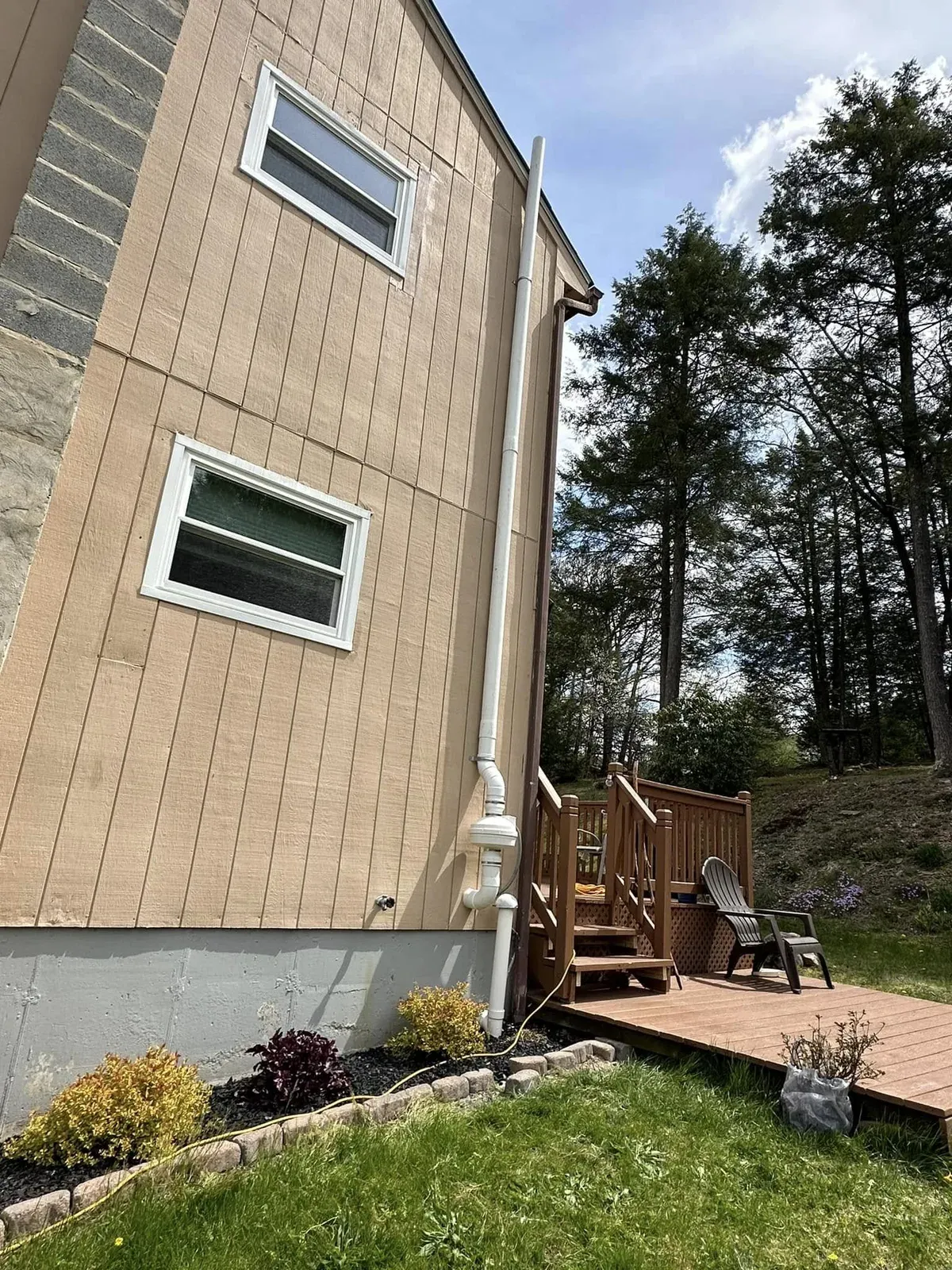
Sealing a sump pit is often the first step in a larger radon mitigation strategy. In many homes, the most effective approach is sub-slab ventilation, which pulls radon from beneath the concrete slab and vents it outside. But if the sump pit is left unsealed, that ventilation system can actually pull outside air down through the pit, reducing its effectiveness. A professional knows how to seal the pit in a way that works with the ventilation, not against it.
Dan explained that the sealant needs to be compatible with the negative pressure created by the fan motor in an active system. If you use a brittle material, it can crack under the stress. Polyurethane foam is often a better choice than simple silicone because it expands to fill irregular gaps and stays flexible. For a passive system, where no fan is involved, the seal still needs to be airtight because the natural stack effect in the house will draw soil gas through any opening. A good sump pit sealing service ensures that the pit becomes a neutral part of the slab, not a weak point.
Why DIY Sealing Often Fails
I considered trying to seal the sump pit myself. It looked straightforward: clean the rim, apply some caulk, and screw the cover back on. But after talking with Dan and reading EPA guidelines on residential radon, I realized that DIY sealing rarely holds up. The problem is that concrete slabs move over time, and temperature changes cause slight expansion and contraction. A cheap sealant will crack within a season. Even if you use a good epoxy coating, you need to prepare the surface properly and apply it in layers, something that requires experience.
Another issue is that many sump pits have a drainage function, meaning water may occasionally enter the pit. If the sealant is not waterproof, it can degrade. A professional sump pit sealing service uses materials that are tested for both gas and moisture resistance. They also know how to create a seal that does not block the drainage function if that is needed. In my case, the pit was purely a radon entry point, so we sealed it completely. But in other homes, the pit may need a check valve or a special cover that allows drainage while blocking soil gas.
What to Look For in a Sealing Job
When you hire someone for sump pit sealing, you should watch for a few key things. First, they should clean the pit and the surrounding concrete thoroughly. Any dirt or oil will prevent the sealant from bonding. Second, they should use a two-part epoxy or a high-density polyurethane foam, not a household caulk. Third, they should test the seal after curing, often with a smoke pencil or a pressure gauge. A good contractor will also offer a mitigation warranty that covers the seal for a set period. Dan Jenkins, for instance, provides a written warranty on his work, which gave me peace of mind.
The Role of a Radon Mitigation Specialist
Sealing a sump pit is one part of a larger system. In many homes, the radon mitigation plan also includes sealing other openings in the concrete slab, such as cracks around pipes or the joint between the floor and the wall. A professional like Dan will walk the entire basement or crawl space and identify every potential entry point. He will then prioritize them based on how much radon each one contributes. The sump pit is usually near the top of that list because it is a concentrated opening.
I remember him telling me about a house in York County where the sump pit was so large that it was essentially a mini crawl space beneath the slab. Sealing that pit required multiple layers of epoxy coating and a custom cover. The homeowner had tried to seal it with duct tape and plastic sheeting, which did nothing. After the professional sump pit sealing service was done, the radon levels dropped from above 10 pCi/L to below 2 pCi/L. That is a dramatic improvement that shows why this work matters.
Long-Term Maintenance and Monitoring
Even after a proper seal is installed, it is wise to monitor the sump pit periodically. I check mine once a year, looking for cracks or signs that the sealant has pulled away from the concrete. If the pit is in a basement floor that gets wet, you might need to reapply the sealant after a few years. But with the right materials and installation, a good seal can last a decade or more. The key is using a sealant that is designed for soil gas resistance, not just water resistance.
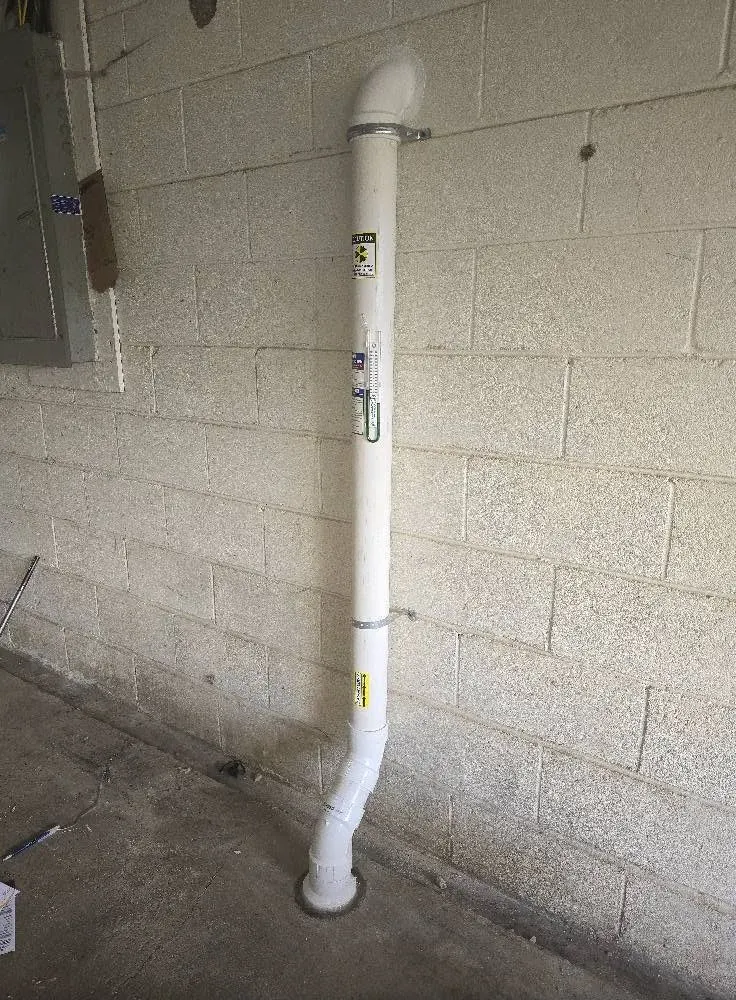
Some homeowners also combine sump pit sealing with a radon mitigation system that includes a manometer to monitor the vacuum under the slab. If the manometer reading drops, it could indicate a leak in the sub-slab ventilation system, possibly at the sump pit seal. A quick visual check can confirm whether the seal is still intact. This kind of simple maintenance is easy to do yourself once the initial sealing is done right.
Conclusion
If you have a sump pit in your basement, do not ignore it. It may be silently allowing radon into your home day after day. A professional sump pit sealing service is a straightforward, cost-effective step in a broader radon mitigation plan. For homeowners in York County and across Pennsylvania, working with someone like Dan Jenkins ensures that the job is done with the right materials and techniques. The result is a safer home and lower radon levels, which is something every family deserves.